
2nd ENEOLI Training School: Exploring Lexical Semantic Change and Gender Neologisms
The 2nd ENEOLI Training School on Lexical Innovation took place in Bucharest, Romania, from 14 to 17 April 2026, hosted by the Bucharest University of Economic Studies, Department of Modern Languages and Business Communication (ASE). The four-day event brought together young researchers, PhD students, and early-career scholars from across Europe, providing advanced, hands-on training in two major areas of lexical innovation research.
The specific objectives of this edition were:
• To provide rigorous training in detecting and describing lexical semantic change using both human annotation and computational methods.
• To offer a cross-linguistic introduction to gender-related neology and its documentation in dictionaries and corpora.
• To foster international collaboration by creating a shared platform for young researchers to exchange ideas, data, and methods.
• To serve as a foundation for future research and potential participation in ENEOLI network projects.
An organising committee (Kris Heylen, Rute Costa and Onorina Botetzat), was delegated by the ENEOLI core group to work out a 4-day programme with 2 training modules on 2 more advanced topics in neology for which 2 trainer pairs were invited. Dominik Schlechtweg (Universität Stuttgart, Germany) and Emma Sköldberg (Göteborgs Universitet, Sweden) for the first module on Lexical Semantic Change Detection (Days 1–2) and Océane Foubert (Université de Picardie Jules Verne, France) and Anna Vacalopoulou (Institute for Language & Speech Processing, Greece) for the second module on Neology and Gender (Days 3-4). The first two days were dedicated to Lexical Semantic Change Detection (LSCD), combining theoretical linguistic frameworks with state-of-the-art computational approaches and their applications in lexicography. The final two days turned to the socially significant field of gender-related neology, offering cross-linguistic perspectives grounded in feminist linguistics, corpus linguistics, and contemporary lexicographic practice.
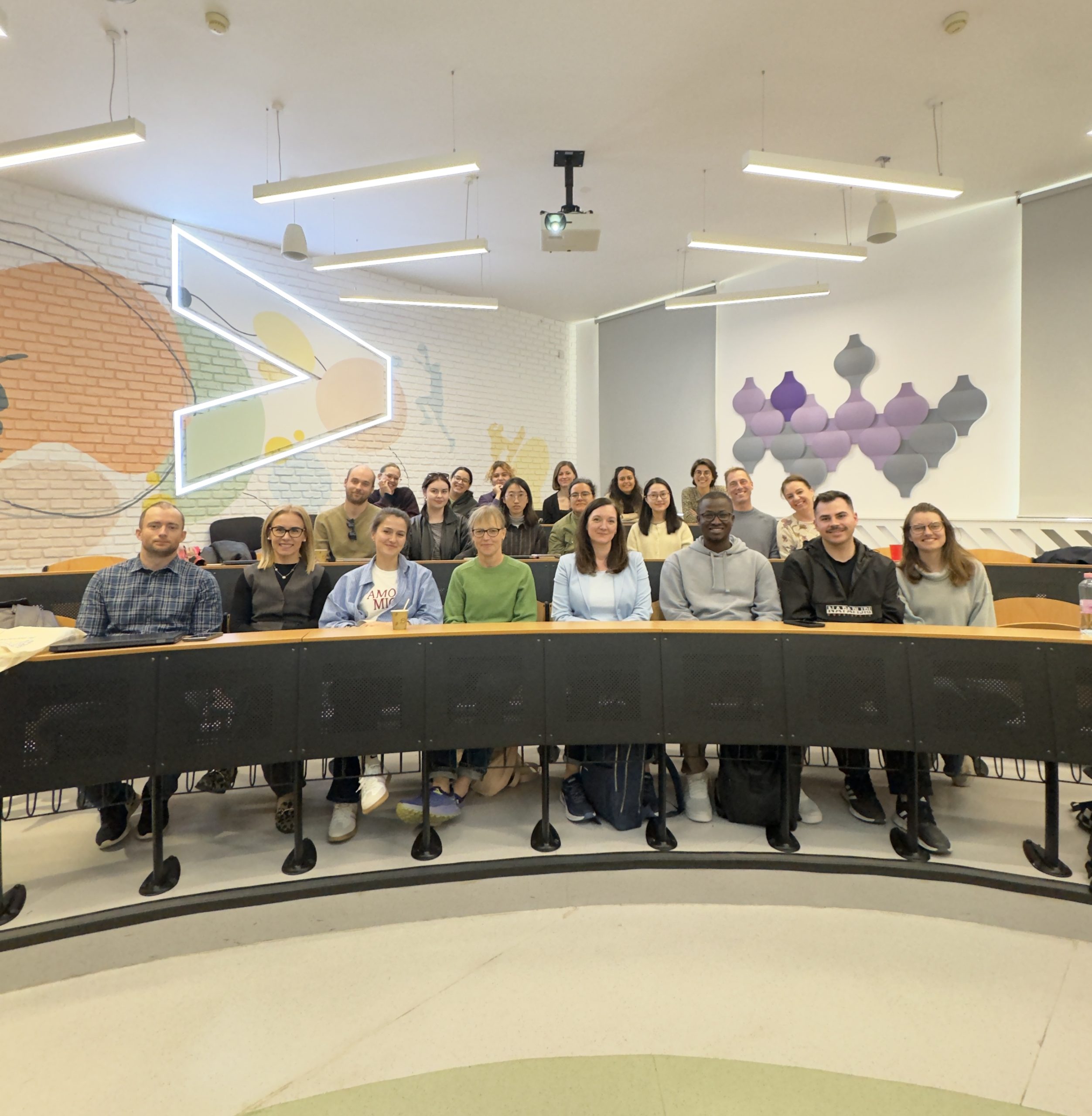
Beyond the academic sessions, the event featured a cultural and social programme including a visit to the ASE Museum, a dedicated exhibition launch, Lexical Innovation in Motion, held at the Filipescu-Cesianu House, and a dinner at Green Hours Jazz Cafe. The training school successfully fulfilled its goals of equipping participants with theoretical foundations, key competencies, and a collaborative international network.
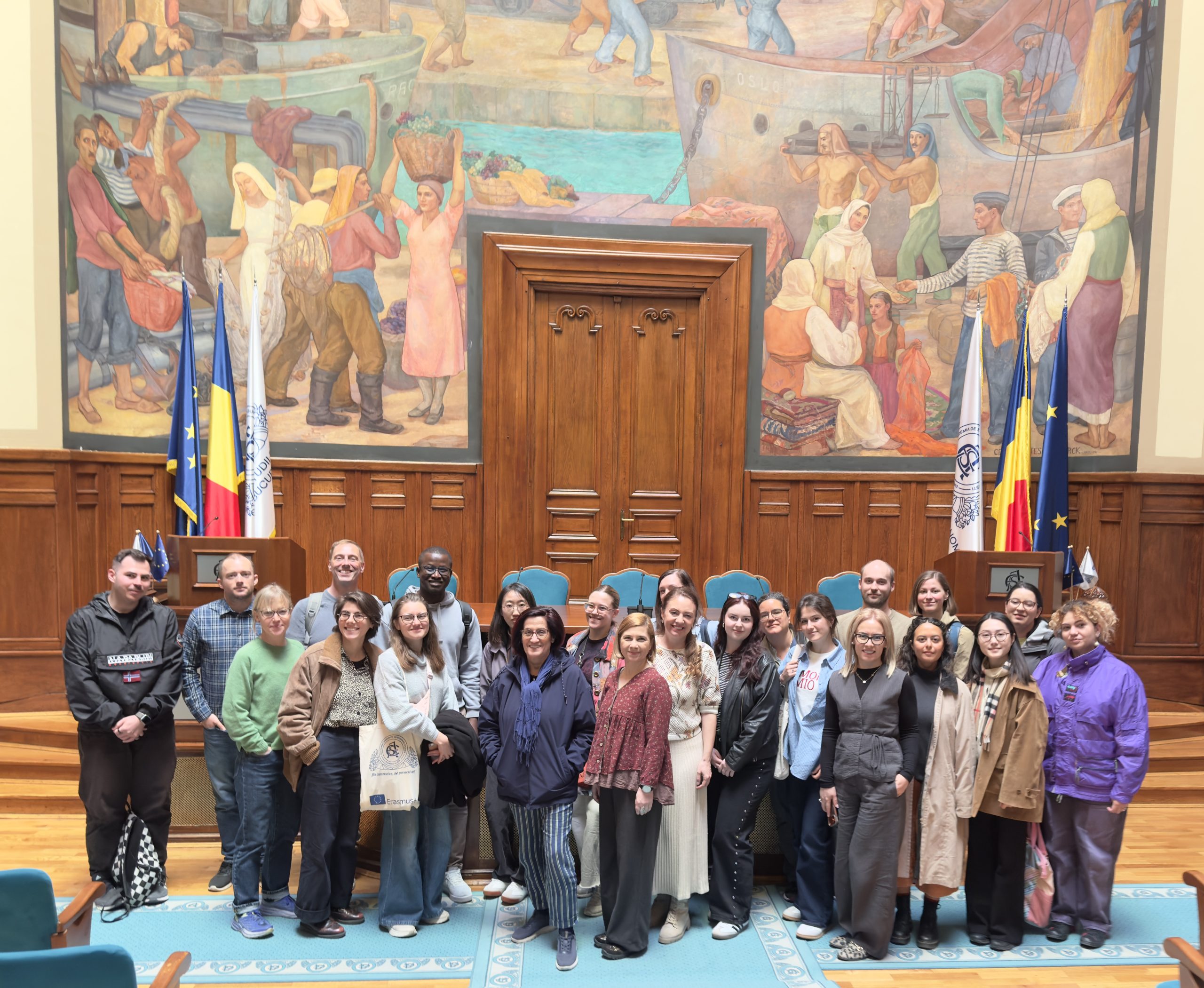
The 18 trainees had diverse backgrounds and came from all over Europe, with 11 coming from Inclusiveness Target Countries (ITCs). All students qualified as Young Researchers and Innovators (YRIs). Their research fields and interests in neology ranged from Linguistics, Lexicography, Terminology, Translation studies and language policy to Computational Linguistics and Gender Studies.
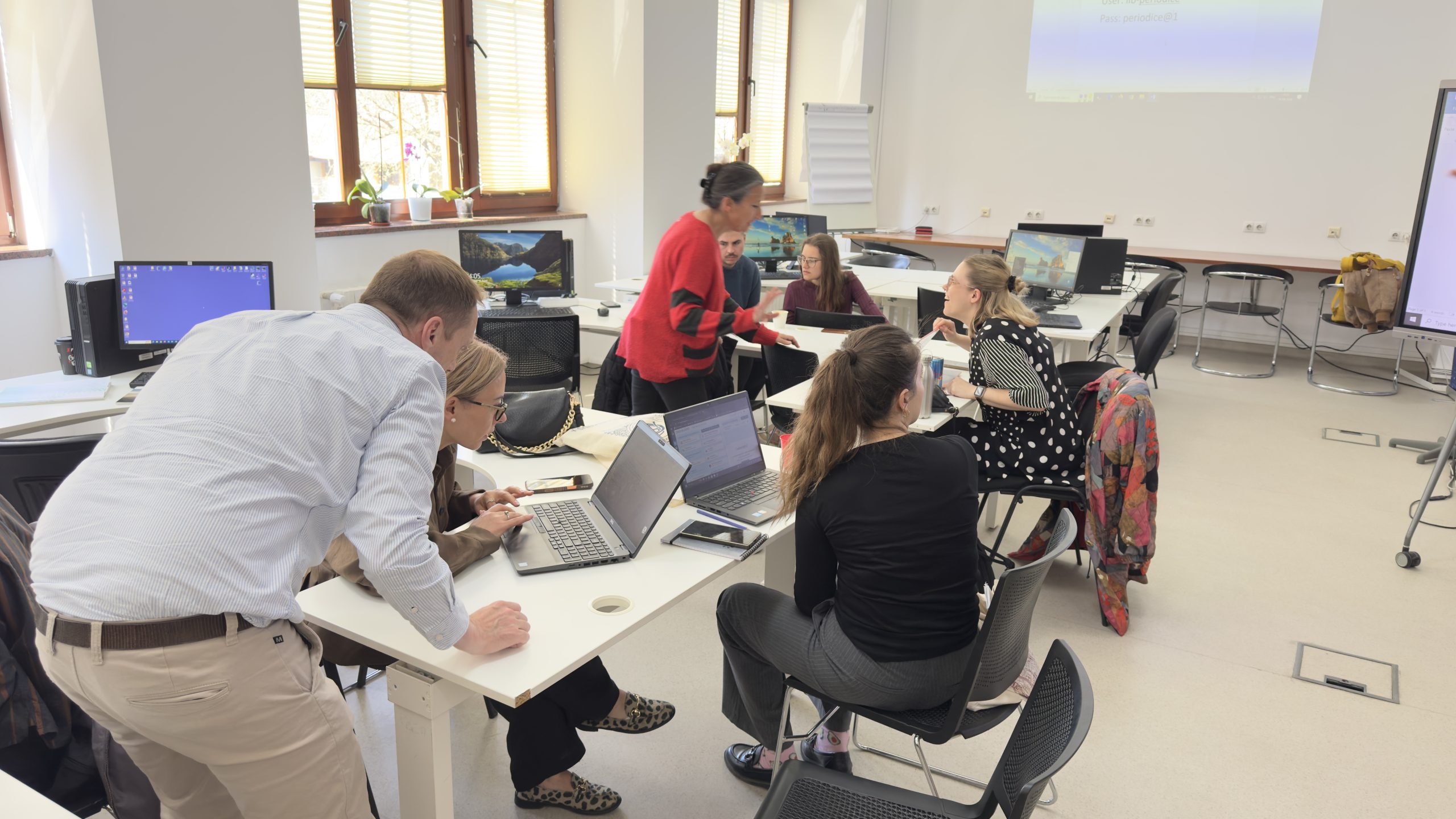
The 2nd ENEOLI Training School on Lexical Innovation was a successful and enriching event. The combination of theoretical instruction, hands-on practical workshops, and a diverse, internationally minded group of participants created a stimulating learning environment across all four days.
The two-module structure, moving from computational approaches to semantic change to the sociolinguistics of gender-related neology, offered participants a productive juxtaposition of methodologies and research cultures. The integration of real data throughout both modules ensured that participants left with practical skills ready for deployment in their own research.
The social and cultural programme enriched the event beyond its academic scope, reinforcing the training school’s role as a space for building the long-term collegial networks that sustain a research community.
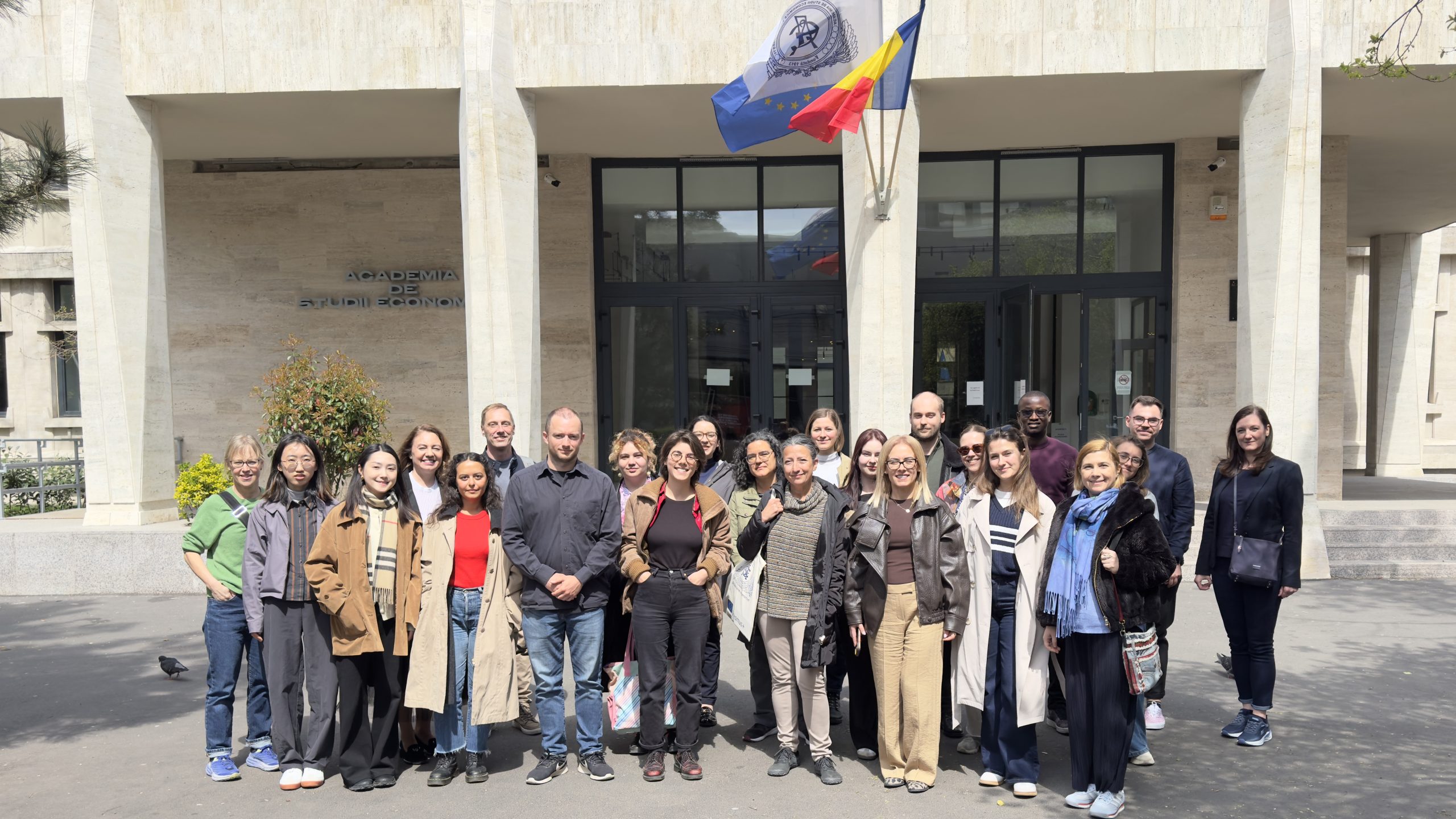
Kris Heylen, Rute Costa and Onorina Botetzat
